
Spotted Flycatcher
Muscicapa striata Pallas, 1764
Сұр шыбыншы

 1 / 2
adult Kanshengel, Ile region, Almaty oblast
juvenile East Kazakhstan, Buhtarma river
- status in Kazakhstan
- nests here · on migration
- conservation status
- IUCN LCleast concern
- sizes
- 14–17 cm, wingspan 23–28 cmweight 13–20 g
- when to see it
- April — October
- on the site
- 1386 observationslast: 12 Sep 2026
- videos
- 4
Description
Размером с воробья. Основной тон окраски верха - буровато- или оливково-серый, брюшная сторона буровато-белая, с продольными серыми пестринами. По серому верху головы тоже пестрины, еще более темные. Все эти пестрины на голове и по низу тела собраны в более или менее четко выраженные продольные полосы. Самец и самка окрашены сходно, у самца белый цвет горла и брюшка чище. От сибирской мухоловки отличается более светлой окраской, особенно светлым лбом с отчетливыми пестринами, отсутствием светлого полуошейника. От ширококлювой мухоловки отличается наличием пестрин на голове и низе тела, отсутствием посветления вокруг глаза и между глазом и клювом. В осеннем оперении окраска та же, но с охристым оттенком. У молодых в послегнездовое время (гнездовой наряд) много светлых пестрин на перьях верха, снизу - чешуйчатый рисунок. У осенних молодых окраска как у взрослых, но сохраняются светлые пятна на верхних кроющих хвоста, есть широкие светло-охристые каемки на третьестепенных маховых и больших верхних кроющих крыла. Вес 13-20 г, длина 14-17, крыло 8,1-9,2, размах 23-28 см.
Distribution
On migration occurs everywhere. Breeds in Ural valley; in Northern Kazakhstan, in Irtysh valley and in Altai; and in Karatau. Please see detailed distribution in the section Subspecies.
- I
- II
- III
- IV
- V
- VI
- VII
- VIII
- IX
- X
- XI
- XII
- Breeding
- Migration
- Wintering
Map © Birds.kz. Copying without permission is prohibited
Subspecies
- Spotted Flycatcher Muscicapa striata striata
- Spotted Flycatcher Muscicapa striata neumanni
- Spotted Flycatcher Muscicapa striata sarudnyi
Latest observations
all species photos · 1386 →

 4

Species videos · 4
all species videos · 4 →


Biology
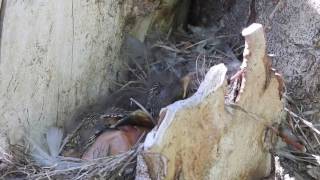
Common breeding migrant. Inhabits the light deciduous forests, birch-pine groves, edges of pine and taiga forests, mountain deciduous and juniper forests and groves at altitudes to 1450-1900 m in Altai, and 2000 m in Western Tien Shan. On migration visits the riparian deciduous forest, gardens, reed-beds, bush thickets and shelterbelts. In spring arrives in mid-end April or early May, migration finishes in end of May – early June. Breeds in separate pairs at distance 25-100 m from each other. Nest is located in tree (elm, willow, poplar, birch, pine, juniper tree), in stump, in tree or building cavity at height 1-14, usually 1-5 m above the ground. For 4-7 days only female builds nest from cobweb, dry grass, tree and bush bast and lined it with thin grass and sometimes with addition of hair, feathers and plant fluff. Clutch of 3-6 eggs is produced in mid-May – early July. Only female incubates it for 11-14 days, male feeds her. Both parents feed juveniles which fledge at age 13-14 days old, in late June to mid-August. Repeated breeding after loss of first nest is common. Autumn migration begins in early August, most of birds fly off in second half of August – early September. Odd birds recorded in end September – mid-October.
Sources
Gavrilov E. I., Gavrilov A. E. "The Birds of Kazakhstan". Almaty, 2005. Э.И.Гаврилов. "Фауна и распространение птиц Казахстана". Алматы, 1999. В.К.Рябицев. "Птицы Урала, Приуралья и Западной Сибири". Екатеринбург. Изд-во Уральского университета, 2000.